



How Do I Choose The Best Arthritis Medicine?
by Stephanie E. Siegrist, MD
Are you spending a fortune on prescription arthritis
medicines? Are they helping? Are you concerned about side
effects? You may think a particular drug is a miraculous
godsend. Yet, someone you know may take the same dose only to
experience little relief and life-threatening side effects. All
of the choices can be confusing.
The best treatment for your arthritis is based on your
needs. Making the diagnosis of "osteoarthritis" is fairly
straightforward, but deciding what to do about it is a complex
and very individualized matter. There's a wide range of options
available to help you deal with OA; medicines are only part of
the picture:
- The Basics: Weight Management / Exercise / Education /
Modify Activities
- Medications: Pain Relievers, NSAIDs (like ibuprofen),
Supplements
- Injections/ Bracing
- Surgery
The highest dose of the latest, "greatest" arthritis
medicine on the market will NOT help unless you follow
common-sense health practices. Focus on low-tech/low-cost
habits that pay off throughout your body and quality of life.
Modify the combination of remedies over your lifetime as
symptoms wax and wane. Start simple, and then move to the next
step if the first isn't helping. You can cut back during the
times you have less pain.
At this point, available medicines can relieve the symptoms
of osteoarthritis, not cure it. There are some treatments for
rheumatoid arthritis that can slow down joint destruction.
Scientific research suggests that nutritional supplements, like
glucosamine, might strengthen cartilage tissue. Stay tuned!
The dozens of arthritis medications available are
categorized by drug class. The drug classes differ in the way
your body handles the chemical that makes up the drug, known as
the mechanism of action. Different mechanisms of action target
different arthritis symptoms: pain vs. stiffness vs.
inflammation. If you understand the classes, you will
understand:
- how each drug works
- which drugs are related because they work in a similar
way
- what side effects can occur and
- why a drug may or may not be right for you
Fortunately, there are eight drug classes to choose from to
relieve your osteoarthritis symptoms. If you must avoid a whole
class because you have another health condition, there are
plenty of others that could keep you comfortable. Combining
smaller doses from different classes may be the right answer.
Usually only with prudent, thoughtful trials will you and your
doctor discover what's best for you. Keep a diary of the
remedies you try, and their effects, good and bad. You spend a
lot of money trying to feel better - don't waste it!
Beware of your drugs' true cost! "Cost" applies not only to
the money you pay for the pills, but also to the toll they
could take on your system in terms of side effects like stomach
ulcers, kidney failure, addiction, and other problems worth
avoiding!
OA is a chronic, degenerative condition that progresses at
different rates in different patients (and even in different
joints in the same body!) You've got better things to do than
let OA rule your day. The right treatment strategy will get you
back to the Pursuit of Happiness!
Want to learn more about all EIGHT classes of OA drugs?
Visit www.knowyourbones.com to order "Making
Sense of Arthritis Medicine: Manage Your Symptoms Safely"
and discover relief that's right for you!
About the Author
Stephanie E. Siegrist, MD is a board-certified orthopedic
surgeon in her 10th year of practice, and author of "Making
Sense of Arthritis Medicine." She's one of only 3% of U.S.
orthopedic surgeons who are women! Dr. Siegrist strives to
bridge the gaps that exist in today's doctor-patient
relationship with "Information Therapy!" Complete information
about Dr. Siegrist, and the book, are available from her
website.
More Resources:
Super
Anti-Oxidant
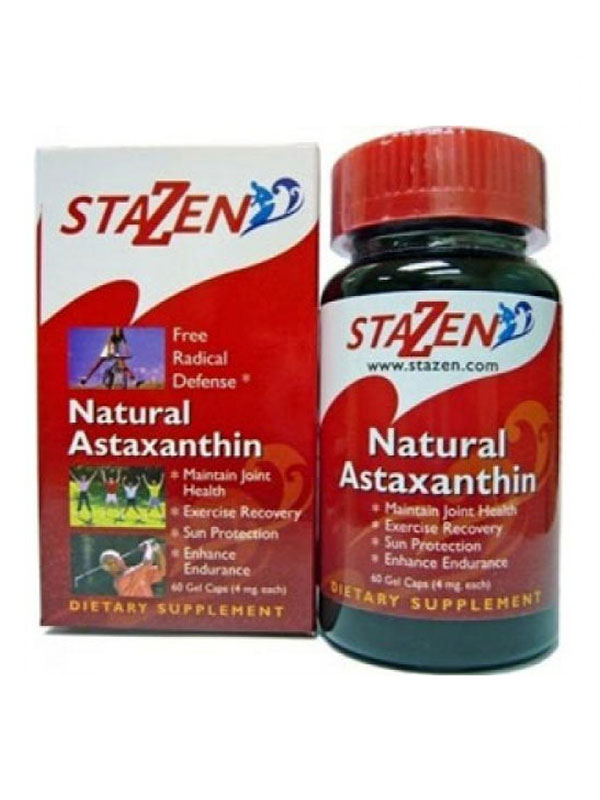
Find out why Astaxanthin is called the super antioxidant
|