Benefits of Natural Astaxanthin
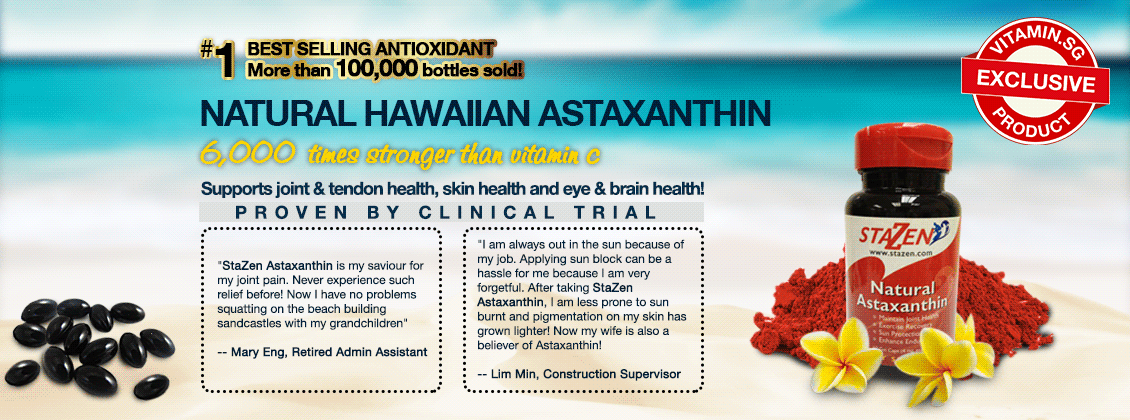
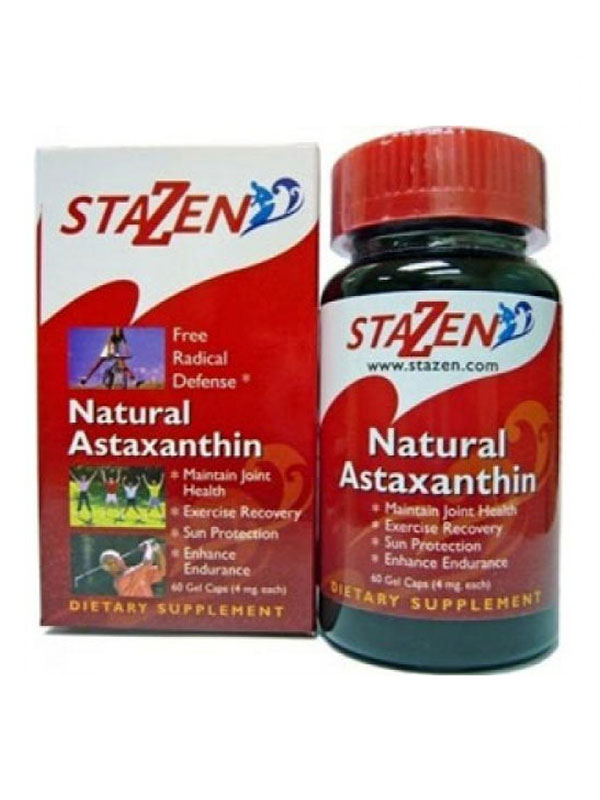
- Astaxanthin is found in many places in nature, but in small concentrations. Haematococcus algae is by far the most concentrated natural source of astaxanthin, plus this algae provides many other important carotenoids such as beta-carotene, lutein and canthaxanthin.
- World’s strongest antioxidant.
- a. Upset of oxidative balance is believed to contribute to:
- i. Cancer.
- ii. Rheumatoid arthritis.
- iii. Parkinson’s.
- iv. Alzheimer’s.
- v. Heart Disease and Stroke
- b. Astaxanthin is 550 times stronger antioxidant than Vitamin E.
- c. 10 times stronger than beta-carotene.
- Astaxanthin with some Vitamin E protects against premature aging of the skin.
- Protects skin from ultraviolet light.
- Lessens age-related macular degeneration.
- Protect against chemically-induced cancers.
- Increases HDL.
- Enhances the immune system.
- Natural astaxanthin clinical trial on Rheumatoid Arthritis positive.
- Astaxanthin has anecdotal evidence that it increases endurance and stamina.
- Endurance and Strength
- a. After taking astaxanthin for 6 months, placebo group increased knee bends by 21.78%, the experimental group increased by 61.74%.
- b. Shrimp fed astaxanthin survived 87% of the time in stress experiments. The control group fed only beta-carotene survived 50% of the time.
- c. Atlantic salmon need astaxanthin to survive. 90% experimental survived versus 50% control (completely deprived of Astaxanthin).
- Astaxanthin crosses the blood-brain barrier, unlike beta-carotene. It protects the eye from photic injury.
- A higher dietary intake of carotenoids has been associated with a 43% lower risk of age-related Macular degeneration.
- Astaxanthin has been shown to be a chemo-preventative agent for bladder cancer.
- Carotenoids have anti-carcinogenic effects (attributed to the antioxidant effect).
- Astaxanthin is better absorbed into the body than other carotenoids.
- a. Mice experiment: After 66 days, astaxanthin found in mice’ plasma was 140 times higher than B-carotene, and 5 times higher than canthaxanthin.
- b. These mice were injected with tumor cells after 3 weeks. Mice fed astaxanthin had tumors 50-60% smaller than the control group.
- Astaxanthin helps the immune system produce anti-bodies to fight disease.
- Haematococcus algae rich in astaxanthin help with gastric conditions resulting from bacteria. Mice fed Haematococcus were cleared of these gastric bacteria.
- Haematococcus algae are by far the most concentrated natural source of astaxanthin. Plus, this algae contains complimentary carotenoids B-carotene, lutein and canthaxanthin.
- Studies of mega-dosis in rats showed no adverse signs.
- Astaxanthin helps joints and muscles recover after exercising.
- Animal cell studies have indicated that AX can protect skin from the damaging effects of UV radiation, lessen age-related macular degeneration, protect against chemically-induced cancers increase high density lipoproteins and enhance the immune system.
- Astaxanthin has been shown to be 100-500 times stronger than Vitamin E in preventing lipid peroxidation, which occurs during exercise.
- Vitamin E supplementation in conjunction with carotenoids provides additional protection against erythema than carotenoids alone.
- Astaxanthin was shown to have a positive benefit in strength and endurance. After supplementing with AX for 6 months, results taken from knee bends and barbell weight showed the placebo group at 21.78% and the experimental group at 61.74%.
- Stress experiments with shrimp showed a higher survival rate in shrimp fed a diet with AX. 87% of shrimp survived when fed AX versus 50% of the shrimp that were fed only beta-carotene or deprived of carotenoids.
- Atlantic salmon is the only species where AX has been shown to be an essential vitamin. Fish fed less than 1 ppm had survival rates below 50%. Those fed higher concentrations had survival rates greater than 90%.
- Astaxanthin is able to cross the blood-brain barrier, unlike beta-carotene. For this reason, AX has been shown to protect the eye from photic-injury.
- Astaxanthin is better absorbed into the body than other carotenoids. In a study comparing beta-carotene, canthaxanthin and astaxanthin fed to mice, after 66 days the amount of astaxanthin in the mouse’s plasma was 140 times higher than beta-carotene, and 5 times higher than canthaxanthin.
- These mice were injected with tumor cells after 3 weeks. Mice fed astaxanthin had tumor sizes about 50-60% smaller than the control group.
- Astaxanthin helps the immune system produce anti-bodies to fight disease.
- Haematococcus algae rich in astaxanthin can help with gastric conditions resulting from certain bacteria. Mice fed haematococcus algae were cleared of this gastric bacteria.
- Studies of mega-doses of astaxanthin in rats have shown no adverse signs.
Conclusion: Haematococcus algae is a safe and natural form of astaxanthin. It has excellent antioxidant properties beyond other carotenoids. Scientific studies have shown positive outcomes in cancer deterrence, immune enhancement, carpal tunnel syndrome and macular degeneration.
A double-blind study of astaxanthin on young health male students showed that those taking one capsule daily over 6 months could do almost 3 times as many knee-bends (61) versus those given a placebo (21).
Definition:
Rheumatoid Arthritis - this is when the immune system attacks the joints
Erythema - premature aging of the skin